Aimbot
Rust Aimbot Settings Guide
A harsh aimbot gets you killed by reports and by your own bad habits. Soft, tunable aim assistance is what most Rust players actually want. Here is how to think about FOV, smoothness, and weapon profiles.
Get Access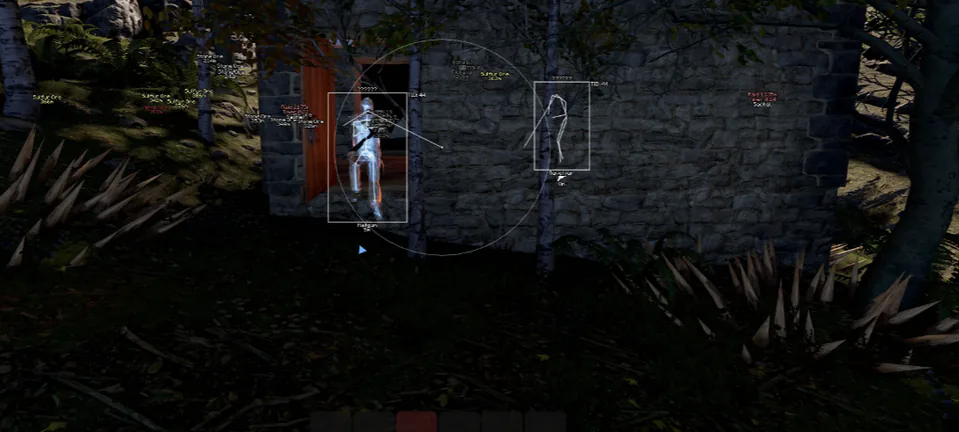
Start softer than you think you need
Begin with a smaller FOV and higher smoothness so the assist helps tracking instead of snapping. Play five raids on Outpost or high-traffic zones and only then widen FOV. If friends watching a demo say it looks robotic, you went too far.
Full control docs live on Rust Aimbot and soft aim.
Per-weapon profiles beat one global slider
ARs, SMGs, and bolt-action rifles want different assist. Save separate profiles so close-range sprays and long monument ambushes do not share the same magnet. Bone priority should favor what you can actually hit under stress — usually upper chest to head transitions, not miracles.
Hotkeys matter mid-session. You need to disable assist when you are looting friendlies or holding a suspicious angle where obvious corrections would look wrong.
Pair aim settings with information tools
Soft aim finishes fights that ESP and radar help you choose. If your overlays are noisy, fix ESP categories before blaming aim. After Easy Anti-Cheat patches, confirm Updates before you tune anything on an old build.
Build a profile set you can trust in bases
Save AR, SMG, and bolt-action profiles separately. Test each on warmup maps before you take a geared player into high-traffic zones.
Combine tuned aim with ESP and radar so you only assist fights you chose on purpose. After patches, confirm Updates before you tweak FOV on an old build.
Official game guides & resources
We link to trusted third-party sources so you can verify patch notes, player stats, and map info outside our site.
- Rust on Steam Official store page, system requirements, and player reviews.
- Steam patch notes & news Read official update posts before you change your loadout.
- Official Rust website Game overview from Facepunch Studios.
- Rust Wiki (Fandom) Player stats, maps, and survival mechanics.
- Steam Community hub Announcements and community discussions.